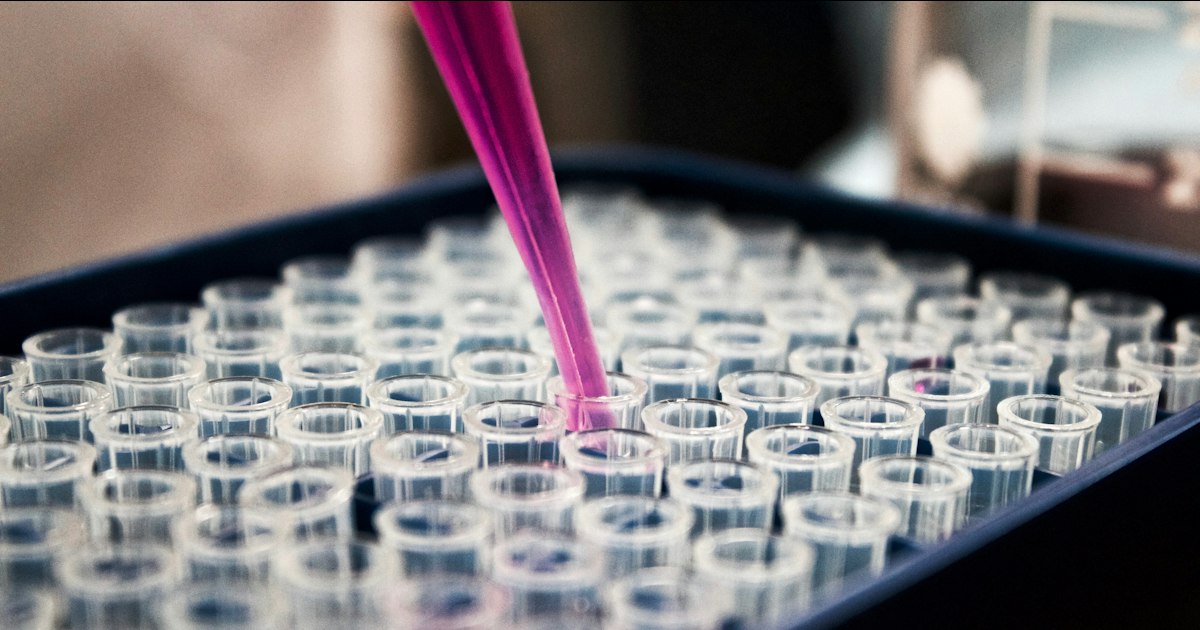
Platelets above or below normal: causes in athletes and what to do
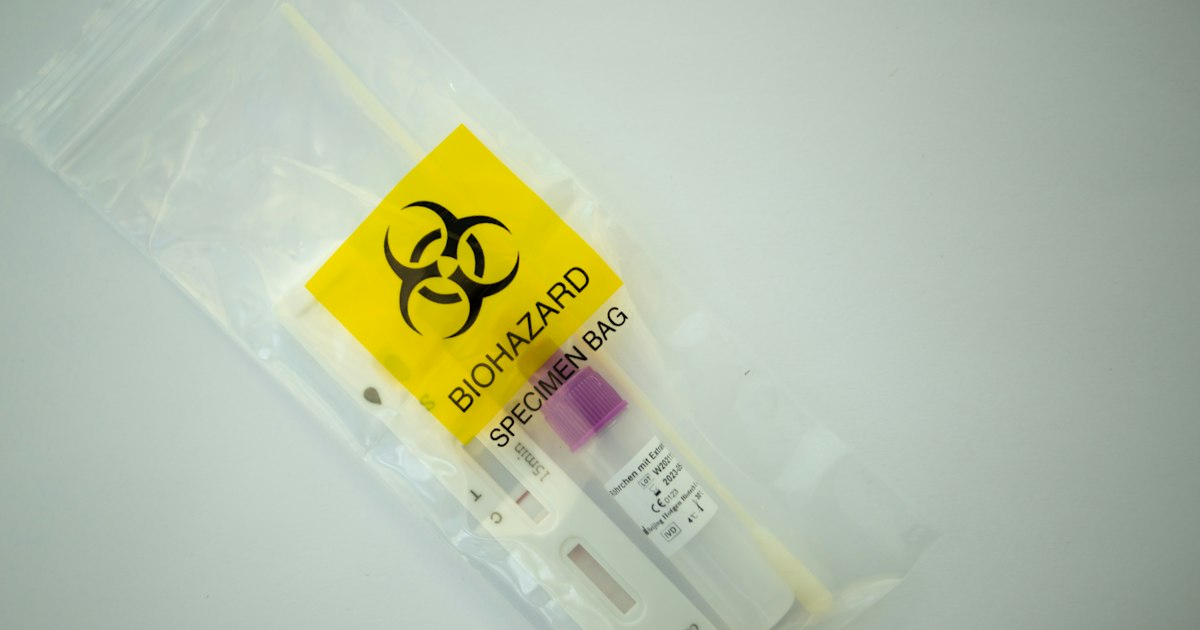
A deviation of the platelet count from the reference range in an athlete by no means always indicates disease. Some of the changes are explained by yesterday's training, dehydration or even a laboratory artifact. At the same time, persistently low or high figures may be due to iron deficiency, a past infection, a side effect of medications or a blood disease. The editorial team examines the typical causes and explains how to act step by step.
What is considered a deviation
Most laboratories consider a platelet count of roughly 150 to 400–450 ×10⁹/L normal for adults. A condition in which the indicator is below the lower limit is called thrombocytopenia, above the upper — thrombocytosis. However, the limits are calculated so that a small proportion of completely healthy people fall slightly outside them, so a minor deviation in itself is not a diagnosis.
Clinical significance lies not only in the number but also in the degree, duration and accompanying changes. A one-off value of 140 ×10⁹/L in a person without symptoms and with normal other indicators is grounds for repeating the test. Values below 50 ×10⁹/L or above 1000 ×10⁹/L, on the contrary, require prompt evaluation by a doctor regardless of how the person feels.
In athletes the picture is complicated by two opposite effects. Acute exertion and dehydration temporarily raise the number of plates, while prolonged endurance training expands the plasma volume, because of which the concentration of all blood cells at rest may be slightly lower. Therefore the test must be interpreted with the training regimen in mind.
Finally, one should remember laboratory artifacts: clots in the tube, prolonged storage of the sample and EDTA-dependent platelet clumping give a falsely low result. Before looking for a cause in the body, the doctor makes sure the number is correct.
Causes of elevated platelets
The vast majority of cases of elevated platelets are reactive, that is, secondary to another process in the body. The bone marrow responds to inflammation, blood loss or iron deficiency by increasing the production of plates. Primary thrombocytosis, caused by a disease of the bone marrow itself, occurs much more rarely (Schafer, 2004).
| Cause | Why it is relevant for an athlete | What helps to confirm it |
|---|---|---|
| Test immediately after training | Release of platelets from the spleen, thickening of the blood | Repeat test in a rested state |
| Dehydration | Cutting weight, working in the heat | Simultaneous rise in hemoglobin, hematocrit |
| Iron deficiency | Losses through sweat, GI microbleeding in runners, menstruation, diet | Ferritin, transferrin saturation |
| Inflammation, infection, injury | A past illness, the postoperative period | C-reactive protein, clinical picture |
| Myeloproliferative diseases | Rare, not related to sport | Consultation with a hematologist, molecular tests |
Iron deficiency deserves separate attention. It is common among female athletes, long-distance runners and people on a plant-based diet, and often the first «hint» is precisely a moderately elevated platelet count, even before hemoglobin drops. After iron stores are restored the indicator usually normalizes.
Reactive thrombocytosis usually does not substantially increase the risk of thrombosis, and one treats not the figure but the cause. A completely different situation is persistently high values without an obvious explanation, especially together with an enlarged spleen, itching, headache or vision disturbances: this is grounds for a consultation with a hematologist.

Causes of reduced platelets
A reduced platelet count may be the result of their insufficient formation, increased destruction or redistribution in an enlarged spleen. In young active people, temporary decreases after viral infections are most common, as well as drug-related causes.
- Pseudothrombocytopenia:a laboratory artifact due to clumping of plates in an EDTA tube; there are no symptoms.
- Viral infections:in particular infectious mononucleosis, influenza and others — the decrease is usually temporary.
- Immune thrombocytopenia (ITP):the body produces antibodies against its own platelets; the diagnosis is made by a hematologist.
- Medications:heparin, some antibiotics, anticonvulsants and others; separately — alcohol, which suppresses the bone marrow.
- Deficiency of vitamin B12 or folate:usually together with changes in red blood cells.
- Liver disease and spleen enlargement:retention of platelets in the spleen and a decrease in thrombopoietin.
For athletes it is important to mention infectious mononucleosis separately. It can combine a decrease in platelets with an enlarged spleen, and this creates a risk of its rupture during a blow or even sharp tensing of the abdominal muscles. Therefore, after mononucleosis, doctors usually recommend temporarily refraining from contact sports and heavy strength work.
Immune thrombocytopenia in adults can manifest as small pinpoint hemorrhages on the shins (petechiae), bruises without noticeable blows, and bleeding from the gums and nose. Current guidelines of the American Society of Hematology (Neunert et al., 2019) emphasize that the decision on treatment depends not only on the number but also on bleeding and the patient's lifestyle — physical activity and contact sport are taken into account separately.
Action algorithm for a deviation
The first step with any moderate deviation without symptoms is to check whether the test was taken correctly. If blood was given after training, in a dehydrated state, during or immediately after a cold, the result should be repeated in 1–2 weeks in a rested state, in the same laboratory.
- Repeat the complete blood count with a white blood cell differential after 24–48 hours without intense exertion.
- For low values — ask the laboratory to review the blood smear to rule out platelet clumping.
- For elevated values — check ferritin, transferrin saturation and C-reactive protein.
- Compile a list of all medications, supplements and drugs taken in recent weeks and show it to the doctor.
- See a general practitioner or hematologist if the deviation is confirmed.
Seek medical help immediately if low platelets are combined with bleeding that is hard to stop, blood in the urine or stool, abundant petechiae, or a severe headache. Signs of thrombosis likewise require urgent evaluation: swelling and pain in the leg, shortness of breath, chest pain.
The editorial team does not advise «raising» or «lowering» platelets with supplements on your own. Remedies popular online, such as papaya leaf extracts, have no convincing evidence base in adult athletes, and delaying a visit to the doctor can conceal a serious cause. The exception is a confirmed deficiency of iron or vitamins, the correction of which is prescribed by a doctor.
Training and clearance for competition
A mild decrease or increase in platelets with a clear and temporary cause usually does not require a complete stop of training. A doctor may advise temporarily reducing the intensity, giving up competition until a repeat test, and restoring hydration.
In contact and injury-prone sports — martial arts, rugby, hockey, downhill skiing — the requirements are stricter. A pronounced decrease in platelets increases the risk of intracranial and intramuscular hemorrhage even from a moderate blow. The decision on clearance in such cases is made by a doctor, based on the level of the indicator, the presence of bleeding and the cause.
It is also worth reviewing the usual «sports» medications. Non-steroidal anti-inflammatory drugs, often taken for joint pain, suppress platelet function and increase the risk of bleeding in the case of thrombocytopenia. In such a situation they may be used only after agreement with a doctor.
After the indicator normalizes, one returns to full load gradually, and a follow-up test is usually repeated after a few weeks. Regular monitoring two or three times a year makes it possible to see an athlete's individual «norm» and to notice new changes sooner.
Editorial conclusions
Deviations of platelets in athletes often have «everyday» explanations: a test after training, dehydration, a recent cold or a laboratory artifact. Therefore the first step should be a correct repeat test.
Persistent thrombocytosis is most often reactive and points to iron deficiency or inflammation, while persistent thrombocytopenia points to infection, medications or immune processes. In both cases one treats the cause, not the number.
Bleeding, pronounced changes in the indicator or signs of thrombosis are grounds for urgent medical attention, and in contact sports also for temporary suspension from competition.
We also recommend reading our materials on what a platelet test shows, on ferritin and iron deficiency in athletes, and on white blood cells above or below normal.
References
- Schafer AI. Thrombocytosis. N Engl J Med. 2004;350(12):1211–1219.
- Neunert C, Terrell DR, Arnold DM, et al. American Society of Hematology 2019 guidelines for immune thrombocytopenia. Blood Adv. 2019;3(23):3829–3866.
- Kratz A, Lewandrowski KB, Siegel AJ, et al. Effect of marathon running on hematologic and biochemical laboratory parameters, including cardiac markers. Am J Clin Pathol. 2002;118(6):856–863.
- Heber S, Volf I. Effects of physical (in)activity on platelet function. Biomed Res Int. 2015;2015:165078.
- Sanchis-Gomar F, Lippi G. Physical activity – an important preanalytical variable. Biochem Med (Zagreb). 2014;24(1):68–79.
- Kaushansky K, Lichtman MA, Prchal JT, et al (eds). Williams Hematology. McGraw-Hill Education.
Andriy Melnyk
A strength-sports coach and author of programs for beginner and intermediate levels. Writes about training planning.