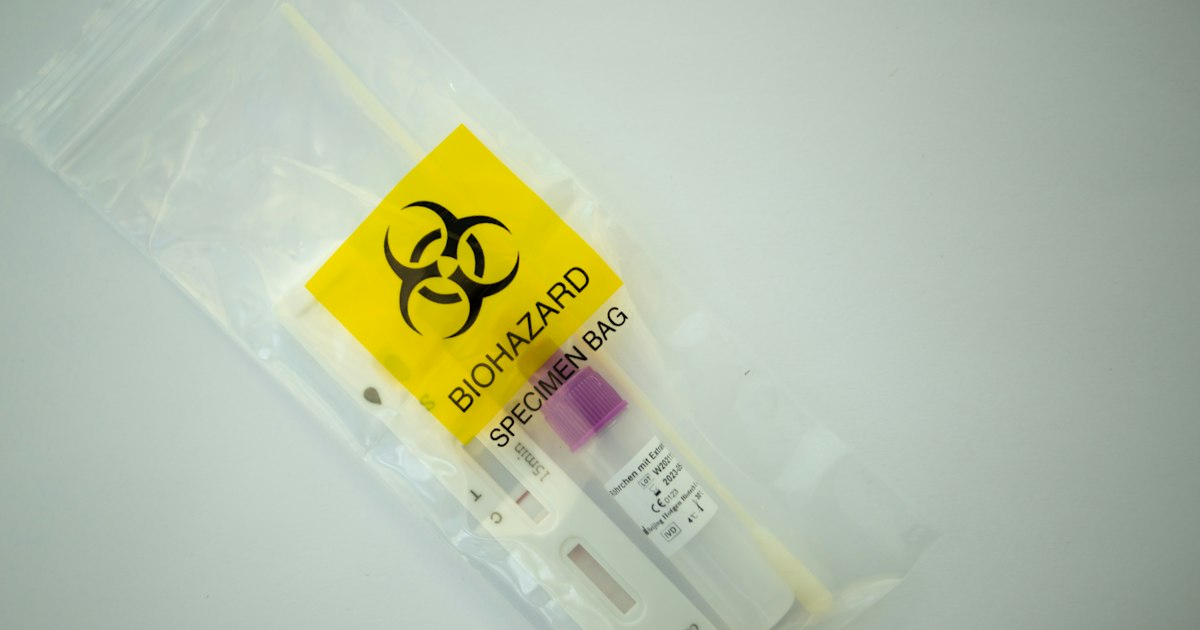
Fasting insulin and the HOMA-IR index above or below normal: causes in athletes and what to do
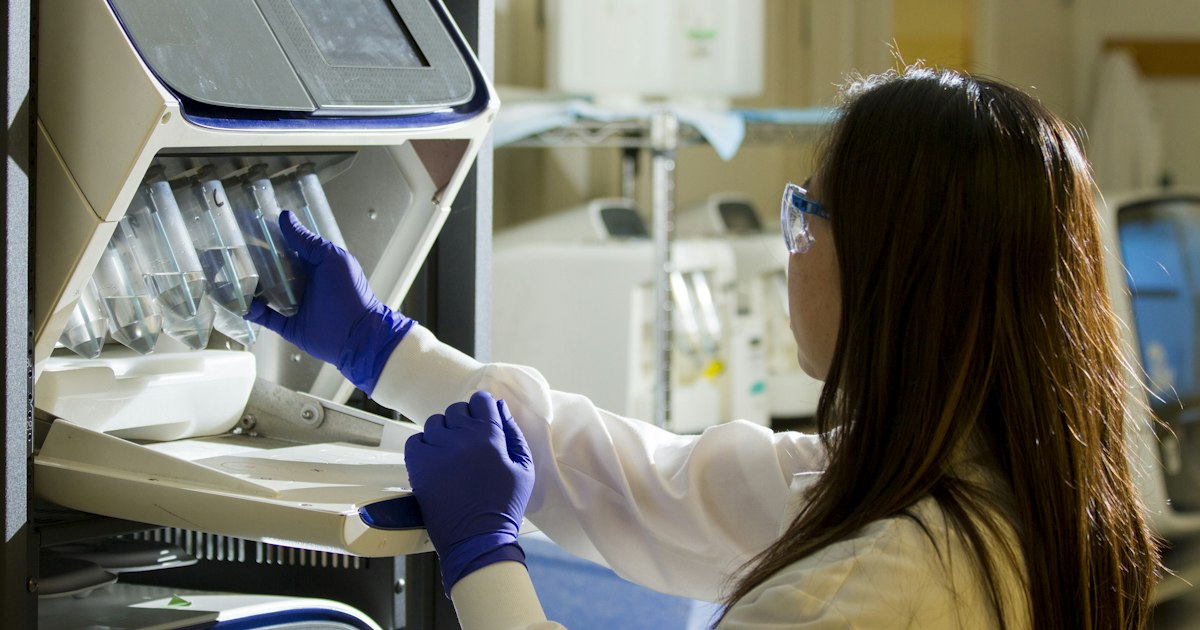
A high HOMA-IR in a person who trains regularly often causes surprise: one would think sport should protect against insulin resistance. And a very low fasting insulin is perceived by some as an ideal and by others as a sign of a problem. The editorial team examines which factors shift the indicator in both directions, why it is important to look at the «glucose + insulin» pair, and what to do with the result obtained.
How to read the «glucose + insulin» pair
HOMA-IR is the product of two numbers, so the same index can be obtained in entirely different situations. For example, a moderately elevated insulin with normal glucose is a typical picture of compensated insulin resistance. And a low insulin with high glucose will give a «good» index, although in reality it indicates insufficient work of the pancreas.
Therefore the editorial team advises never assessing HOMA-IR separately from the initial indicators. First we look at fasting glucose: is it normal, in the prediabetes zone, or higher. Then — at insulin: does its amount correspond to the glucose level. And only then — at the index itself.
No less important are the conditions of taking the test. Failure to fast, a late dinner rich in carbohydrates, stress or a poorly spent night can substantially raise fasting insulin. A one-off elevated result should first be repeated with careful preparation.
Finally, in athletes with a large muscle mass one should take into account that body mass and BMI poorly reflect the real amount of fat. To assess risk it is more useful to know the waist circumference and body composition than to be guided by weight alone.
Why HOMA-IR is elevated
Insulin resistance in a physically active person is not a paradox. Regular training improves the sensitivity of the muscles, but its effect may be «overridden» by other factors — an excess of visceral fat, chronic lack of sleep, medications or long breaks in exercise.
| Factor | Mechanism | When to suspect it |
|---|---|---|
| Visceral fat | Abdominal fat cells release fatty acids and inflammatory mediators that impair insulin action in the liver | Large waist circumference, a «bulk» with a large calorie surplus |
| Detraining | Loss of insulin-independent glucose uptake by the muscles | Injury, off-season, end of a career |
| Lack of sleep and stress | Increased cortisol and sympathetic activity | Shift schedules, flights, night work |
| Glucocorticoids | Increased glucose production by the liver, reduced tissue sensitivity | Tablet or injection courses for injuries, asthma |
| Growth hormone | Counter-insular action | Use for medical indications or non-medical |
| Polycystic ovary syndrome | Insulin resistance as part of the syndrome | Cycle disturbances, acne, excessive hair growth |
Growth hormone is worth mentioning separately: a review by Holt and Sönksen (2008) describes that an excess of this hormone reduces insulin sensitivity. Non-medical use of growth hormone and insulin in sport is prohibited by WADA and is associated with serious metabolic risks.
Another common factor in strength sports is a prolonged «bulk» with a large excess of calories. An increase in fat mass, especially in the abdominal area, gradually worsens carbohydrate metabolism, even if strength and muscles continue to grow.

Why insulin and HOMA-IR are low
A low fasting insulin with normal glucose most often means good insulin sensitivity and does not require any action. Such a picture is typical for trained people, especially in endurance sports, and also for those who follow a diet with carbohydrate restriction.
- High level of training:the muscles efficiently take up glucose, and the pancreas needs less of the hormone.
- Low-carbohydrate or ketogenic nutrition:reduces basal insulin secretion.
- Prolonged fasting before the test:more than 14–16 hours without food.
- Energy deficiency:prolonged undereating against a background of large loads lowers insulin along with other anabolic hormones — one of the signs of RED-S (Mountjoy et al., 2018).
- Insufficient beta-cell function:type 1 diabetes, in particular latent autoimmune diabetes of adults — in combination with elevated glucose.
The situation with energy deficiency requires attention: an «ideally low» insulin in an athlete who complains of fatigue, frequent injuries, menstrual cycle disturbances or reduced libido may be not a sign of excellent form but a signal that the body is conserving energy.
A combination of low insulin with elevated glucose, thirst, frequent urination and weight loss is grounds for seeing a doctor immediately. Type 1 diabetes can develop in adulthood too, including in athletes.
What to do with an elevated index
If a repeat test, given according to all the rules, confirms an elevated HOMA-IR, the next step is an assessment of carbohydrate metabolism by standard criteria. The doctor may order HbA1c, a glucose tolerance test, a lipid panel, liver tests, thyroid hormone tests.
- Repeat fasting glucose and insulin with careful preparation in the same laboratory.
- Assess waist circumference and body composition, not just weight.
- Discuss HbA1c, a glucose tolerance test and a lipid panel with the doctor.
- Review the list of medications and drugs that can affect insulin sensitivity.
- Adjust the lifestyle and repeat the tests in 3–6 months.
The position stand of the American Diabetes Association on physical activity (Colberg et al., 2016) emphasizes the value of combining aerobic and strength training, as well as reducing prolonged sitting. For an athlete this often means not «training more» but keeping track of activity outside of training and of rest periods.
Dietary steps usually include a moderate calorie deficit in the case of excess fat, a sufficient amount of protein and fiber, limiting refined sugars and sweet drinks outside of training, and regular sleep. Drug correction, if it is needed, is solely the doctor's decision.
When an urgent consultation is needed
Most HOMA-IR deviations are not an emergency. However, some combinations of symptoms and indicators require prompt attention from a doctor, and athletes should know them.
The first is signs of high glucose: strong thirst, frequent urination, unexplained weight loss, the smell of acetone on the breath, nausea. This may be the onset of diabetes and a condition requiring emergency care.
The second is episodes of low fasting glucose: trembling, sweating, palpitations, confusion, which pass after eating something sweet. A combination of hypoglycemia with high insulin requires examination according to endocrinologists' protocols (Cryer et al., 2009), since it may be a sign of a rare pancreatic tumor or the action of exogenous insulin or drugs that stimulate its secretion.
The editorial team specifically emphasizes: the use of insulin without medical indications, in particular for an «anabolic» purpose, is a real risk of severe hypoglycemia, loss of consciousness and death. No «safe schemes» for such use exist.
Editorial conclusions
HOMA-IR makes sense only together with the glucose and insulin from which it is calculated, and only with correct preparation for the test.
An elevated index in an athlete is most often associated with visceral fat, detraining, lack of sleep or medications, and in most cases responds well to a change of lifestyle.
Low insulin with normal glucose is usually a sign of good sensitivity, but against a background of symptoms of energy deficiency or high glucose it requires a doctor's attention.
We also recommend reading our materials on what a fasting insulin and HOMA-IR test shows, on relative energy deficiency in sport, and on the effect of corticosteroids on metabolism.
References
- Wallace TM, Levy JC, Matthews DR. Use and abuse of HOMA modeling. Diabetes Care. 2004;27(6):1487–1495.
- Matthews DR, Hosker JP, Rudenski AS, et al. Homeostasis model assessment: insulin resistance and beta-cell function from fasting plasma glucose and insulin concentrations in man. Diabetologia. 1985;28(7):412–419.
- Colberg SR, Sigal RJ, Yardley JE, et al. Physical activity/exercise and diabetes: a position statement of the American Diabetes Association. Diabetes Care. 2016;39(11):2065–2079.
- Cryer PE, Axelrod L, Grossman AB, et al. Evaluation and management of adult hypoglycemic disorders: an Endocrine Society clinical practice guideline. J Clin Endocrinol Metab. 2009;94(3):709–728.
- Holt RI, Sönksen PH. Growth hormone, IGF-I and insulin and their abuse in sport. Br J Pharmacol. 2008;154(3):542–556.
- Mountjoy M, Sundgot-Borgen JK, Burke LM, et al. IOC consensus statement on relative energy deficiency in sport (RED-S): 2018 update. Br J Sports Med. 2018;52(11):687–697.
- Bird SR, Hawley JA. Update on the effects of physical activity on insulin sensitivity in humans. BMJ Open Sport Exerc Med. 2017;2(1):e000143.
Andriy Melnyk
A strength-sports coach and author of programs for beginner and intermediate levels. Writes about training planning.