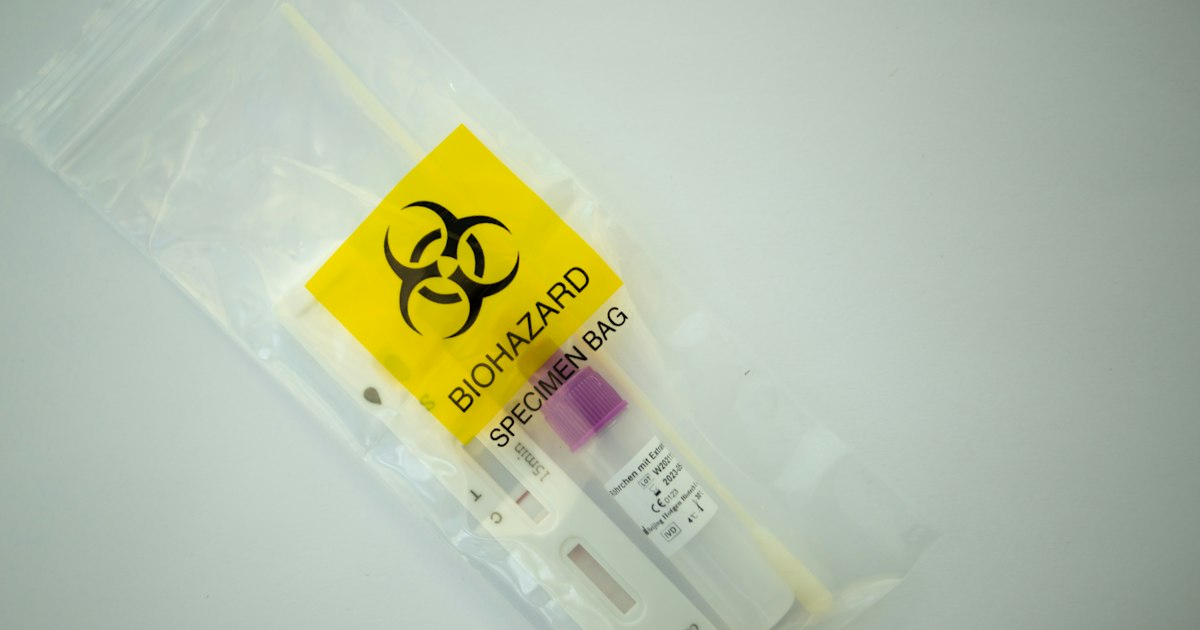
Total protein above or below normal: causes in athletes and what to do

Athletes sometimes explain elevated total protein by a «protein diet» and a reduced one by a lack of protein. Both assumptions are usually wrong. The concentration of protein in the blood is determined first of all by the water balance, the state of the liver, kidneys, intestine and immune system. The editorial team explains how to narrow the search for a cause with the help of albumin and globulins and when an in-depth examination is needed.
The key to interpretation: which fraction has changed
Total protein consists mainly of albumin and globulins, so the first question with a deviation is which of the parts is responsible for it. The answer is given by an ordinary biochemical analysis if it includes albumin: globulins are calculated as the difference between total protein and albumin.
If both albumin and globulins have risen proportionally, the cause is most likely water — the blood is thickened. If albumin is normal or reduced while globulins are elevated, this points to activation of the immune system or an excess of a certain protein. If it is mainly albumin that is reduced — one should think of inflammation, the liver, kidneys or intestine.
The second important step is to assess the conditions of taking the test. Training the day before, heat, inadequate drinking, drawing blood while standing and prolonged application of a tourniquet can raise total protein in a healthy person. Such a result should first be repeated.
The third is to look at previous tests. A stable value near the upper or lower limit over the years is often an individual feature, while a new sharp shift requires greater attention.
Causes of elevated total protein
In athletes the most common cause is a relative increase due to a decrease in the plasma volume. However, there are also «true» causes associated with an increase in the amount of globulins in the blood, and they should not be missed.
| Cause | What happens to the fractions | Hints |
|---|---|---|
| Dehydration, test after training | Albumin and globulins rise proportionally | High hematocrit, urea, sodium |
| Technical factors | Proportional increase | A long tourniquet, drawing while standing |
| Chronic infections and inflammation | Globulins rise, albumin may decrease | Elevated CRP, symptoms |
| Chronic liver diseases | A rise in gamma globulins with reduced albumin | Changes in liver tests |
| Monoclonal gammopathy | An increase in globulins at the expense of a single protein | M-spike on electrophoresis |
Monoclonal gammopathy of undetermined significance (MGUS) is a condition in which an excess of one type of immunoglobulin is detected in the blood without signs of disease. It occurs more often in older people and, according to the long-term observation by Kyle and co-authors (2002), with a small annual probability can progress to myeloma or related diseases. Therefore such patients are under the supervision of a hematologist.
In young athletes MGUS is rare, but if high total protein is not explained by dehydration and persists on repeat tests, the doctor may order protein electrophoresis. This is a simple and accessible way to rule out a monoclonal protein.
Taking protein supplements or a high amount of protein in the diet does not substantially raise total protein in the blood. If the indicator is high, there is no sense in cutting protein «to normalize the test».

Causes of reduced total protein
A decrease in total protein most often occurs at the expense of albumin and has the same causes: inflammation, reduced synthesis in the liver, losses through the kidneys and intestine, dilution of the blood. Less often globulins decrease — for example, in immunodeficiencies.
- Overhydration:excessive drinking, especially during prolonged competition, dilutes the blood; dangerous when sodium decreases at the same time.
- Liver diseases:a decrease in protein synthesis, in particular due to alcohol or hepatotoxic substances.
- Losses through the kidneys:nephrotic syndrome and chronic kidney disease, which manifest as protein in the urine and edema.
- Losses through the intestine and malabsorption:celiac disease, inflammatory bowel diseases.
- Prolonged pronounced undereating:severe deficiency of energy and protein.
- Reduced immunoglobulins:primary or secondary immunodeficiencies, accompanied by frequent bacterial infections.
A review by Soeters and co-authors (2019) reminds us that with reduced albumin the main cause in clinical practice is inflammation, not nutrition. This conclusion also applies to total protein: in an athlete with a normal diet a low indicator is grounds for looking for a medical cause.
A moderate decrease in concentration in those trained for endurance may be physiological — due to an increased plasma volume. But this conclusion is made by a doctor after ruling out other causes.
A step-by-step plan of action
Most minor deviations disappear on a correct repeat test. If, however, the changes persist, the editorial team advises acting consistently together with a general practitioner.
- Repeat the biochemical analysis on an empty stomach, after a day without intense training, having sat before the draw, without dehydration and without excessive drinking.
- Make sure the test includes albumin, and calculate globulins and the A/G ratio.
- Add a complete blood count, C-reactive protein, liver tests, creatinine.
- With reduced albumin — a morning urine test for the albumin/creatinine ratio, as recommended by the KDIGO guidelines.
- With persistently elevated globulins — discuss serum protein electrophoresis with the doctor.
Seek help urgently in the case of rapidly increasing edema, foamy urine, yellowing of the skin, bone pain, unexplained weight loss, and also confusion and nausea after prolonged exertion with a large amount of fluid drunk.
The order of assessing altered liver indicators is described, in particular, in the guidelines of the American College of Gastroenterology (Kwo et al., 2017). The doctor determines the scope of the examination depending on the specific combination of changes, so there is no point in «prescribing» dozens of tests for oneself.
Nutrition and training: what really matters
Since total protein is not a marker of nutrition, treating the «figure» with diet is useless. Instead, it is useful to put in order the factors that really affect the indicator and health in general.
Hydration is the first of them. The ACSM recommendations (Sawka et al., 2007) advise planning drinking during prolonged training taking into account individual sweat losses, avoiding both significant dehydration and excessive fluid intake, which raises the risk of hyponatremia.
The second factor is sufficient energy supply. Chronic energy deficiency against a background of large training volumes worsens the work of many systems and can eventually be reflected in biochemical indicators. The protein need for physically active people is determined by body mass and goals, not by a blood test.
The third is caution with substances that burden the liver and kidneys: alcohol, uncontrolled painkillers, oral anabolic steroids, dubious «fat burners». The ASPEN position stand (Evans et al., 2021) reminds us that the recovery of protein indicators depends on eliminating the underlying cause.
Editorial conclusions
Elevated total protein in an athlete most often means dehydration or the specifics of taking blood, less often — chronic inflammation or a monoclonal protein, which are detected by globulins and electrophoresis.
Reduced total protein is usually associated with a decrease in albumin due to inflammation, diseases of the liver, kidneys or intestine, or dilution of the blood, and not with a lack of protein.
The key to interpretation is the separation into albumin and globulins, a correct repeat test and examination together with a doctor.
We also recommend reading our materials on what a total protein test shows, on albumin above or below normal, and on liver tests for athletes.
References
- Kyle RA, Therneau TM, Rajkumar SV, et al. A long-term study of prognosis in monoclonal gammopathy of undetermined significance. N Engl J Med. 2002;346(8):564–569.
- Rajkumar SV, Dimopoulos MA, Palumbo A, et al. International Myeloma Working Group updated criteria for the diagnosis of multiple myeloma. Lancet Oncol. 2014;15(12):e538–e548.
- Soeters PB, Wolfe RR, Shenkin A. Hypoalbuminemia: pathogenesis and clinical significance. JPEN J Parenter Enteral Nutr. 2019;43(2):181–193.
- Evans DC, Corkins MR, Malone A, et al. The use of visceral proteins as nutrition markers: an ASPEN position paper. Nutr Clin Pract. 2021;36(1):22–28.
- Sawka MN, Burke LM, Eichner ER, et al. American College of Sports Medicine position stand. Exercise and fluid replacement. Med Sci Sports Exerc. 2007;39(2):377–390.
- Kwo PY, Cohen SM, Lim JK. ACG clinical guideline: evaluation of abnormal liver chemistries. Am J Gastroenterol. 2017;112(1):18–35.
- Kidney Disease: Improving Global Outcomes (KDIGO) CKD Work Group. KDIGO 2012 clinical practice guideline for the evaluation and management of chronic kidney disease. Kidney Int Suppl. 2013;3(1):1–150.
Andriy Melnyk
A strength-sports coach and author of programs for beginner and intermediate levels. Writes about training planning.